Tree lopping is a task that homeowners often plan for in relation to their properties. Trees grow freely and can become problematic; branches may lean over roofs, roots can lift soil, and leaves accumulate in unwanted places. As such, tree lopping becomes essential when tree growth begins to affect the daily use of outdoor spaces. This work is more about practical management than aesthetics. People usually notice issues following storms or prolonged wet seasons. Ignoring early warning signs can lead to larger, more costly jobs later.
The Impact of Uneven Growth on Trees
Trees seldom grow evenly in open spaces, especially near buildings. One side may receive more sunlight, while the other stretches to access water. This uneven growth can lead to branches becoming heavier on one side. Regular tree cutting helps manage this imbalance, preventing excessive stress on the trunk. When cuts are well-planned, the tree remains stable for a longer time. Conversely, random trimming can create weak points that may eventually break under pressure.
The Importance of Proper Tools
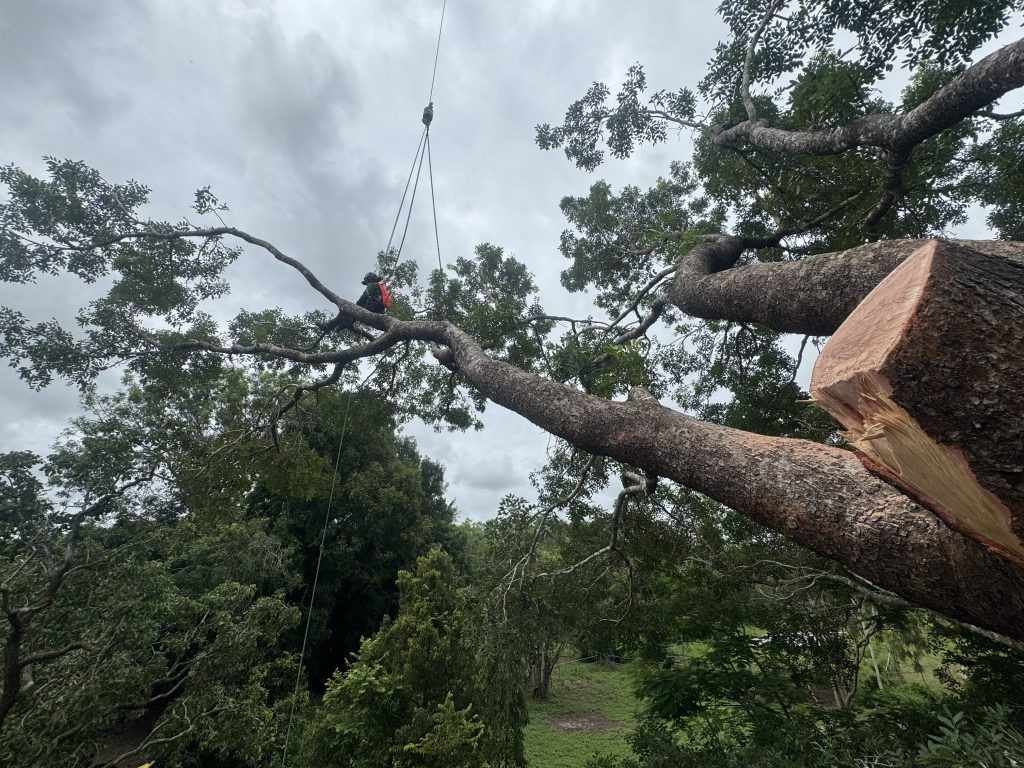
Different trees require different cutting techniques. Small ornamental trees can be adversely affected by heavy saws, while larger trees may necessitate rope systems and controlled lowering for safety. Attempting tree cutting without the right tools increases risks to homes and surrounding fences. Even experienced individuals can struggle without proper equipment. Using the correct tools also minimises damage to the remaining structure of the tree.
Timing is Crucial for Tree Recovery
Cutting trees during extreme heat or heavy rain can hinder their recovery. Trees tend to respond better when cut during stable weather conditions. Lopping done at inappropriate times may leave open wounds for prolonged periods, which can lead to pest infestations and disease. Planning tree work according to seasonal patterns can significantly improve outcomes. Unfortunately, many people rush jobs without considering how trees will heal afterwards.
Understanding Local Regulations
Some areas impose restrictions on the removal or heavy trimming of trees, and council approvals may be required depending on the location and species. It’s crucial to consider these regulations early in the planning process. Skipping this step can lead to delays and fines. Being aware of local rules helps ensure a smoother project and protects trees that are intended to remain in the area.
The Importance of Cleanup After Tree Lopping
After tree cutting, debris can accumulate quickly—logs, branches, and leaves can block access and attract insects. Tree lopping feels incomplete without an effective cleanup plan. Some homeowners may choose to keep much, while others prefer to remove all waste. Regardless of preference, leaving debris behind can create hazards. A clear space facilitates easier and safer future maintenance.
Small Cuts Can Prevent Big Problems
Heavy cutting isn’t always the solution. Strategically removing select branches can more effectively reduce risk. A focus on balance during tree cutting promotes healthier growth. Overcutting may compromise the tree’s natural support systems. Thoughtful planning results in fewer follow-up jobs, allowing trees to respond better when stress is reduced gradually rather than all at once.
Conclusion
Effective tree management is grounded in decisions that prioritise safety, timing, and long-term growth. For those considering tree maintenance, consulting with experienced professionals who understand proper methods and local conditions is invaluable. By taking the time to understand tools, regulations, and seasonal patterns, you can avoid hasty decisions and support healthier outdoor spaces. If you’re planning upcoming tree work, now is the perfect time to take the next step toward safer property management.


Write a comment ...